graph TD
    In[Input]:::input --> LLM1[LLM Call 1<br/>Classifier]:::llm
    LLM1 -->|Category A| LLM2[LLM Call 2]:::llm
    LLM1 -->|Category B| LLM3[LLM Call 3]:::llm
    LLM1 -->|Category C| Exit[Exit]:::output

    LLM2 --> Out1[Output]:::output
    LLM3 --> Out2[Output]:::output

    classDef input fill:#8B4444,stroke:#6B3333,color:#fff
    classDef llm fill:#4A7C59,stroke:#3A6B49,color:#fff
    classDef output fill:#8B4444,stroke:#6B3333,color:#fff
Pattern 2: Routing
Classification and Workflow Direction
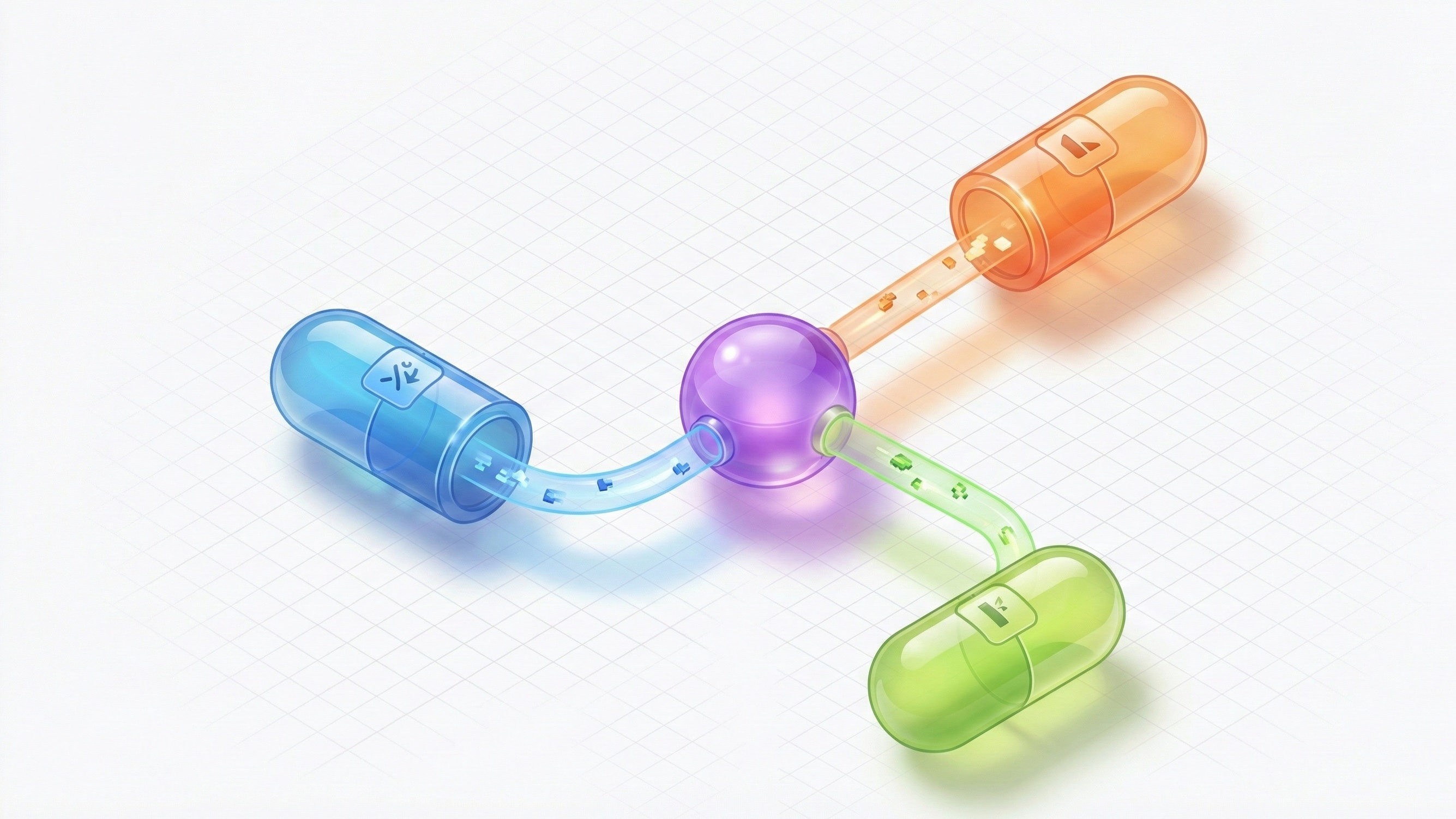
What Is This Pattern?
Routing is like having a smart assignment editor that instantly categorizes incoming content and sends it to the right workflow. Instead of processing everything the same way, routing uses AI to classify content first, then directs it to specialized handling paths.
How It Works
Conceptual Overview
Instead of manually sorting through incoming content, an initial AI call classifies the input and determines which processing path to follow.
Architecture Diagram
Use Cases
Routing is perfect when you have diverse content that needs different handling. One example where I applied this pattern was in fact-checking TikTok misinformation in science related videos:
- Incoming videos were first classified by topic (e.g., health, environment, technology).
- Each topic had a specialized fact-checking workflow tailored to its unique challenges.